

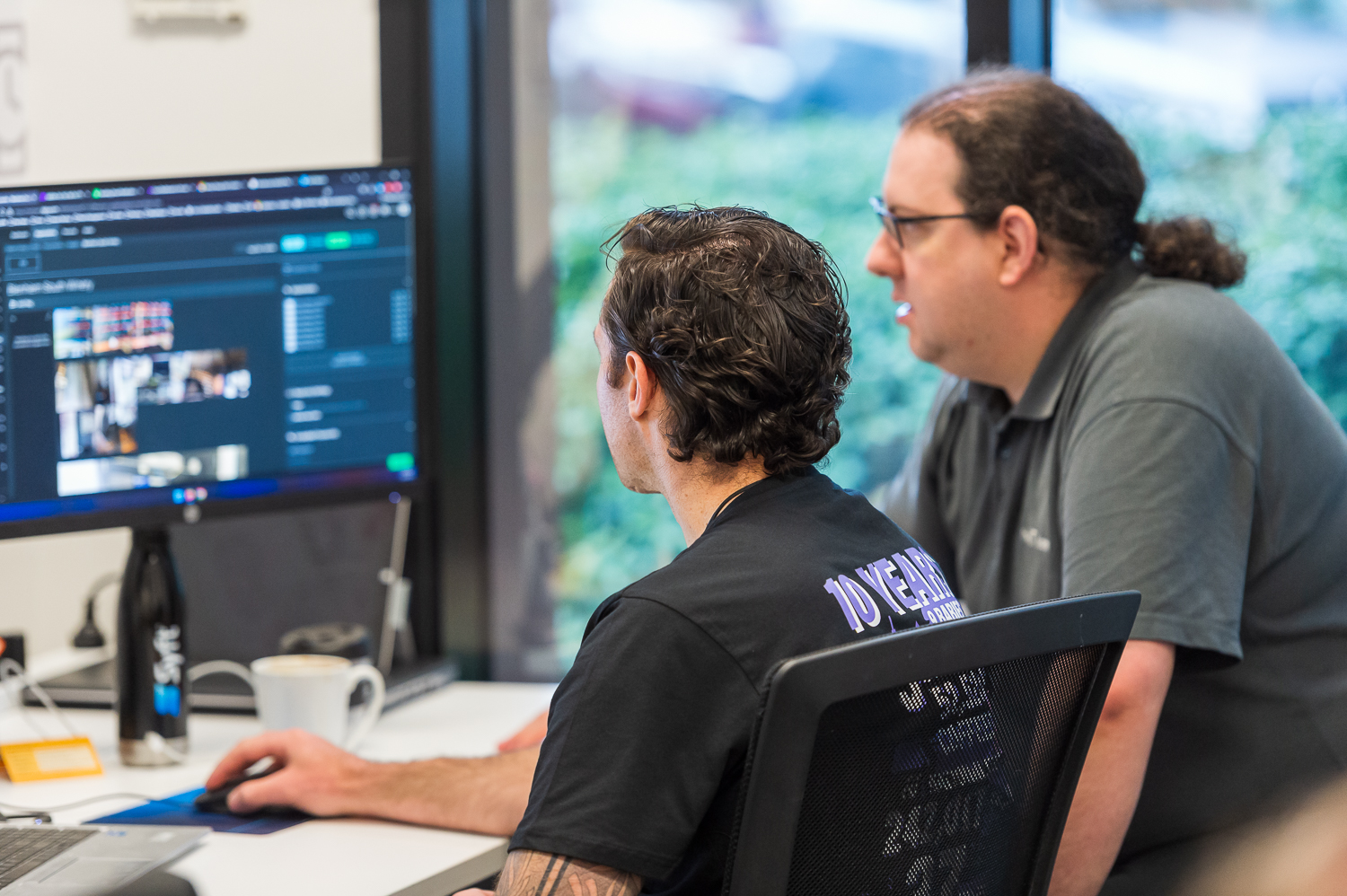
Vibe coding has become one of the hottest trends in technology.
Tools like Replit, Emergent and others allow people to describe an idea in plain language and rapidly turn it into a working application, website or workflow. What once required a development team can now be achieved in a matter of hours.
At The I.T. Team, we're using these tools too. They're powerful, genuinely useful, and a fantastic way to explore ideas and solve problems quickly.
But we're also seeing a growing misconception emerge.
Many organisations think they've created a software product when, in reality, they've become the owner of a software application.
That's an important distinction.
Most organisations are used to leasing software. They subscribe to Microsoft 365, Xero, Salesforce or another SaaS platform and rely on the vendor to maintain it, secure it and keep it up to date.
AI-built applications are different.
The platform helps you build the application. It doesn't take responsibility for what happens next.
As these applications prove their value, they often evolve from a quick prototype into something people rely on every day. They begin storing customer information, connecting to other business systems and becoming part of normal business operations.
The challenge is that it's relatively easy to tell whether an application works. It's much harder to know whether it's secure.
Built-in security checks are improving all the time, but they're not a substitute for experience. They can also create a false sense of confidence that everything is fine.
Before an AI-built application becomes part of your business, it's worth asking a few simple questions.
Vibe coding is here to stay, and that's a good thing. It's helping organisations innovate faster than ever before.
The real challenge isn't building the application. It's recognising when a clever prototype becomes something your organisation depends on.
That's the point where it's worth slowing down, taking a closer look, and making sure the application is as secure and reliable as the business expects it to be.



%20(3).jpg)


